Exploring how cultural perceptions shape gambling behaviors
Cultural Attitudes Toward Gambling
Cultural attitudes play a significant role in shaping how gambling is perceived and practiced within different societies. In cultures where gambling is seen as a traditional form of entertainment, such as in parts of Asia, it may be integrated into social events and festivities, reinforcing communal bonds. For instance, many enthusiasts might consider best online poker sites for real money as part of the broader cultural landscape. Conversely, in cultures that view gambling as morally ambiguous or linked to negative consequences, individuals may engage in gambling less openly, often shrouded in stigma.
This dichotomy affects not only the prevalence of gambling but also the types of games that are favored. For example, communities that embrace gambling may prefer games that involve skill and strategy, celebrating the intellectual aspects, whereas those with negative views might lean towards simpler forms of gambling, associated more with chance.
The Influence of Religion on Gambling Practices
Religion heavily influences gambling behaviors in various cultures. In some faiths, gambling is prohibited, creating a framework where individuals may abstain from betting altogether. For instance, Islamic teachings explicitly discourage gambling, leading to lower participation rates among Muslim populations. This religious perspective fosters a social norm where abstaining from gambling is seen as virtuous.
Conversely, certain cultural practices celebrate gambling as part of religious rituals or festivities. Events like the Chinese New Year often feature gambling as a way to attract good fortune and prosperity. These contrasting religious views highlight how spirituality can dictate not just personal choices but also collective behaviors within a community.
The Role of Economic Factors in Gambling Behavior
Economic conditions significantly shape gambling behaviors across different cultures. In affluent societies, gambling can be viewed as a recreational activity, often enjoyed by a broader demographic. Here, well-regulated casinos and online gambling platforms thrive, reflecting a cultural acceptance of the activity as entertainment. In contrast, in economically disadvantaged areas, gambling may be seen as a desperate escape from financial hardship, leading to more impulsive and risky gambling behaviors.
Moreover, the accessibility of gambling options often correlates with economic status. In wealthier regions, individuals may have more access to diverse gambling activities, whereas in less affluent areas, options may be limited to informal betting environments. This disparity can create varying perceptions of gambling across cultural contexts, further influencing how individuals engage with the activity.
The Impact of Media and Technology on Gambling Perceptions
Media representation plays a critical role in shaping cultural perceptions of gambling. Movies and television shows often glamorize gambling, portraying it as an exciting and adventurous pursuit. Such portrayals can romanticize the risks associated with gambling, enticing individuals to view it as a pathway to wealth and success. This cultural narrative can create a more accepting environment for gambling, especially among younger audiences.
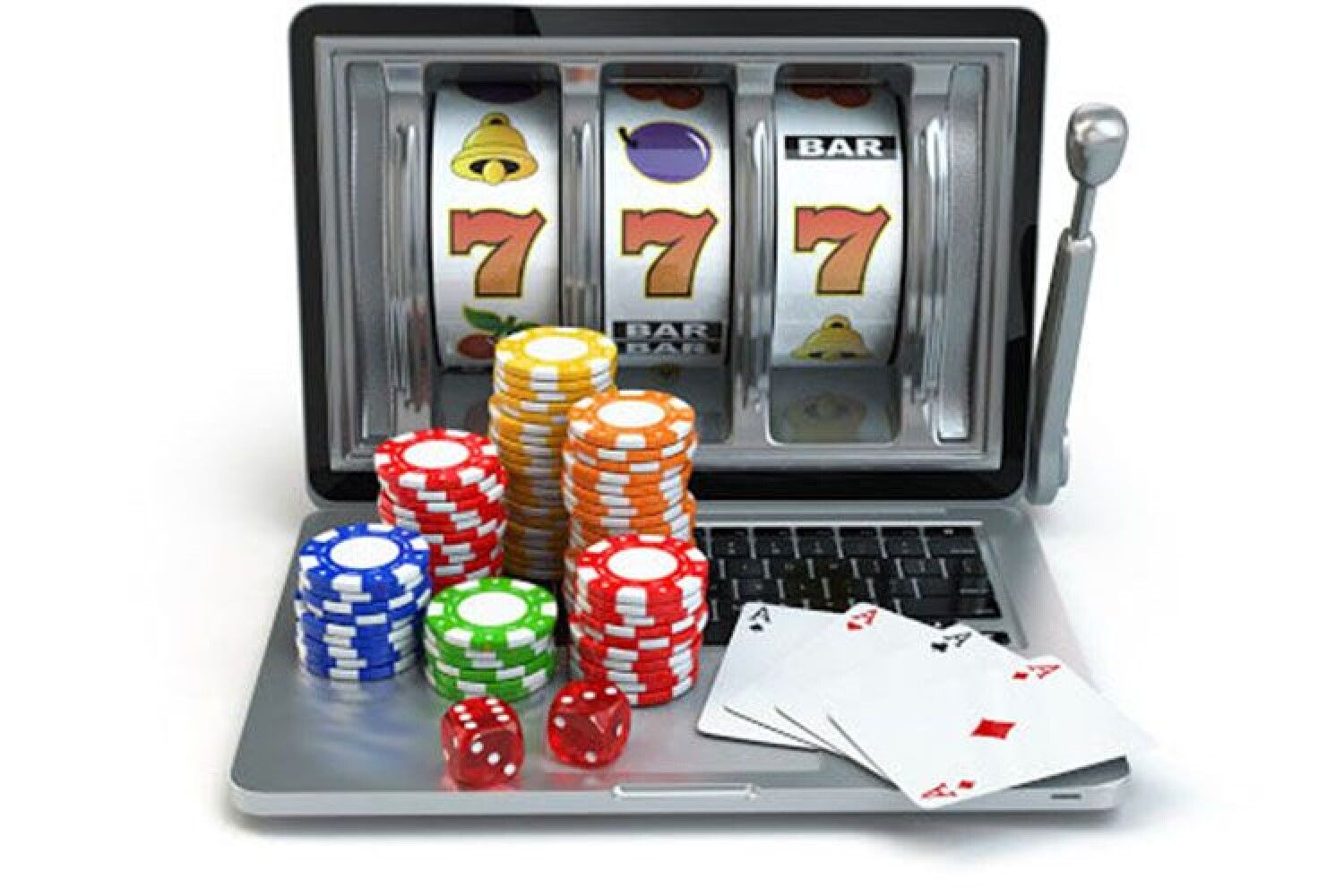
Furthermore, the rise of online gambling platforms has transformed traditional perceptions. Accessibility through mobile devices and websites has made gambling more ubiquitous, leading to a normalization of the practice. However, this technological advancement can also generate concerns about addiction and responsible gaming, as cultural attitudes shift to address these new challenges posed by virtual gambling environments.
About This Website
This website aims to explore various dimensions of gambling, including its cultural implications and effects on society. By providing insightful articles, we hope to foster a deeper understanding of how cultural perceptions shape gambling behaviors across different communities.
Through comprehensive research and analysis, we strive to offer valuable information that encourages responsible gambling practices while highlighting the diverse perspectives that influence this complex activity. Our goal is to inform and engage readers on the multifaceted relationship between culture and gambling.
Odgovori